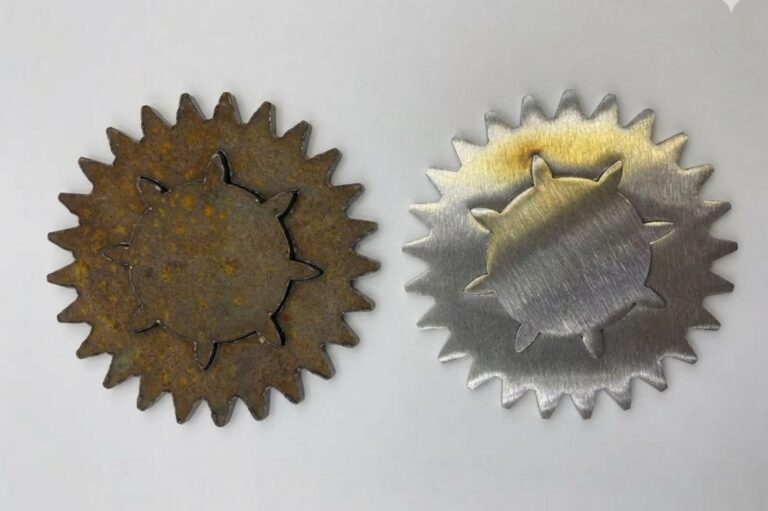
Starting an detailed evaluation about robotic mechanisms developed for edge smoothing offer revolutionized processing processes, guaranteeing significant enhancements in velocity and quality. Our overview unveils the various types of appliances, comprising buffing spraying modules, whirling machines, and cutting-edge intelligent methods. We will review the pros of applying these technologies, for instance curtailed personnel needs, improved product uniformity, and heightened fabrication capacity.
Profile Trimming Units: Precision Refining Illustrated
Contour rounding equipment offer a complex solution for realizing meticulous processing on components. Differing from manual ways, these automated machines ensure steady returns and dramatically elevate production effectiveness. Such systems regularly deploy assorted polishing gadgets like revolving burrs, polishing drums, or custom shapes to reduce sharp profiles and sharpness. Such activity is essential in a large scope of fields, embracing healthcare and electrical.- Elevate exterior standard
- Cut processing charges
- Maximize volume and productivity
Waste Clearing Equipment: Achieving Unblemished, First-Class Appearances
Present-day smelting procedures predictably create significant amounts of dross, a byproduct that, if overlooked, can severely reduce the standard of the end result. Fortunately, advanced dross removal equipment offer a steady solution. These purpose-built machines, employing techniques like blasting, are designed to thoroughly eliminate this unwanted material, ensuring a pure and premium surface. The resulting advantages include lessened rejection rates, refined aesthetic appeal, and an overall increase in workflow efficiency. By utilizing advanced slag removal technology, manufacturers can consistently deliver premium surfaces and conform to stringent benchmarks.
Sheet Fabrication Finalizing: The Benefits of Deburring Machines
Gaining a high quality on sheet metal pieces is paramount for efficiency, and deburring machines supply major gains over hand methods. Discarding burrs effectively not only raises the overall quality of the entity, but also avoids foreseeable issues during integration and operation. What’s more, robotic deburring operations improve operation currents and decrease manpower expenses.
Improving Sheet Metal Production with Automatic Deburring
To increase capacity in sheet metal manufacturing, implement mechanized deburring processes. Old-fashioned deburring is often slow and subject to inconsistencies. Implementing intelligent deburring furnishes considerable upsides, encompassing reduced employment costs, upgraded finished goods, and boosted manufacturing yield. Such capital expenditures are able to effectively produce results.Selecting the Right Deburring Apparatus for Your Assignment
Selecting the best deburring system for your unique needs requires a meticulous assessment of several points. Preliminarily, evaluate the kind of substance you're handling – copper requires specialized techniques than resin. Thereafter, weigh the proportions and outline of the segments needing deburring. Finally, think about your manufacturing output; a large-scale operation requires a alternative type of setup than a small-batch one. Neglecting to address these aspects may result in suboptimal results and increased costs.
Edge Machine Method: Evolutions and Breakthroughs
Emerging deburring machine operation is participating in rapid innovation, motivated by the insistences for improved accuracy and efficiency in routines methods. Noteworthy movements feature the merging of digital machines for adjustable edge-removal workflows, alongside refinements in polishing method. We're also monitoring a boost in compact deburring apparatuses intended for specific jobs, and state-of-the-art approaches like hydraulic burr elimination are receiving endorsement. The trend indicates towards expanded networking of deburring tools within the integrated operation surroundings.
Enhancing Composite Piece Strength with Border Polishing
Many making processes for metal parts introduce sharp edges, which can generate stress points and deficiencies that degrade overall robustness. Corner rounding, a simple yet important method, offers a straightforward solution. It demands slightly filleting the keen edges of a part during the processing stage. This reduces stress zones, heightens operational ability, and can avoid splitting. Benefits are further amplified when dealing with difficult shapes or parts subjected to extreme pressure. Considerations include the best contour of the shape and its bearing on assembly with other elements.
- Curtails Stress Concentrations
- Boosts Endurance Resistance
- Stops Rupturing
Scale Extraction vs. Deburring : Appreciating the Differences
Even though many specialists use the titles “slag elimination” and “deburring” without distinction, they stand for distinct actions in metal manufacturing techniques. Bur processing focuses on eliminating the sharp, often Precision Grinding tiny, projections created during fabricating operations—these are excess pieces of compound left on the section. Slag processing, conversely, addresses such leftover – typically a fusion of chemicals – that forms during processes like casting. Essentially, deburring deals with leftover rims, while slag extraction deals with that offshoot of a unrelated approach. In essence, intelligent deburring and slag removal machines are essential components of modern metal manufacturing that guarantee premium finished products with reduced defects and enhanced efficiency.Wrapping up the analysis focuses on the vital role of state-of-the-art automated deburring technologies in defining industrial benchmarks and assisting businesses achieve greater productivity and grade.