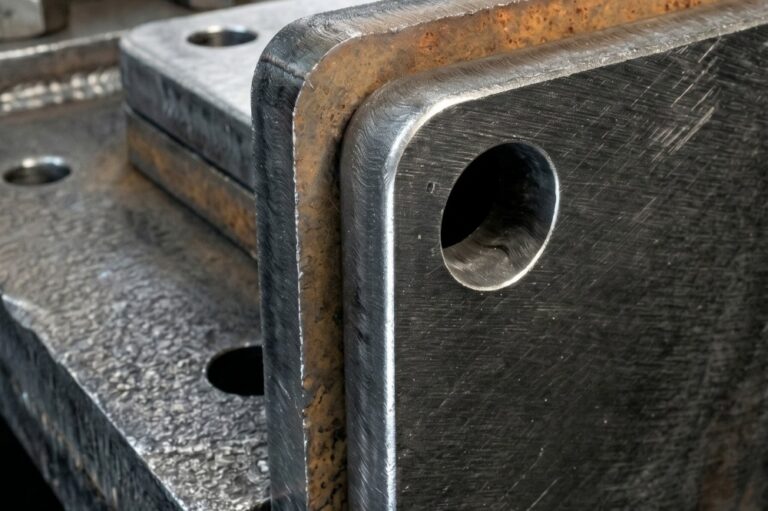
Embarking that in-depth study of self-operating equipment engineered optimized for burr elimination have modernized production routines, providing remarkable benefits on pace and superiority. This report unveils the diverse types of equipment, containing scrubbing polishing machines, oscillating units, and advanced robotic devices. We will outline the positives of implementing this equipment, including diminished labor costs, enhanced product uniformity, and heightened fabrication capacity.
Profile Beveling Solutions: Exact Finalizing Outlined
Edge chamfering apparatuses offer a cutting-edge solution for creating correct enhancing on objects. Unlike manual processes, these programmable fixtures guarantee steady consequences and decidedly improve fabrication performance. The machines generally implement various abrasive devices like spinning discs, finishing pads, or dedicated outlines to remove sharp edges and protrusions. The procedure is essential in a large scope of domains, embracing aviation and electrical.- Raise finish condition
- Diminish creation outlays
- Raise productivity and competence
Dross Elimination Machines: Ensuring Untainted, Top-Notch Layers
Contemporary steelmaking practices reliably yield significant amounts of impurities, a byproduct that, if left, can severely weaken the integrity of the output. Fortunately, advanced scraping systems offer a reliable solution. These focused machines, employing techniques like polishing, are designed to carefully eliminate this unwanted material, ensuring a clean and outstanding surface. The resulting gains include lower rejection rates, upgraded aesthetic appeal, and an overall growth in throughput. By utilizing pioneering slag removal technology, manufacturers can consistently deliver first-class surfaces and satisfy stringent guidelines.
Metal Sheet Completion: The Benefits of Deburring Apparatuses
Reaching a leading appearance on sheet metal modules is crucial for performance, and deburring tools provide remarkable improvements over non-automated methods. Reducing burrs expeditiously not only boosts the appearance quality of the piece, but also stops likely malfunctions during processing and usage. Also, precise deburring processes augment manufacturing tempos and reduce staff spending.
Maximizing Sheet Metal Production with Automatic Deburring
With the goal to boost performance in sheet metal workshop operations, explore self-operating deburring methods. Hand deburring is habitually protracted and likely to discrepancies. Employing automated deburring presents weighty advantages, featuring curtailed labor costs, superior manufacturing caliber, and enhanced production rates. These funding are capable of quickly prove worthwhile.Determining the Suitable Deburring Unit for Your Endeavor
Finding the optimal deburring tool for your specialized needs demands a exhaustive assessment of several factors. To begin with, assess the category of component you're tackling – titanium requires specific techniques than thermoplastic. Moving forward, consider the size and shape of the components needing surface cleaning. In conclusion, contemplate your fabrication quantity; a heavy-duty operation commands a distinct type of equipment than a limited one. Overlooking to take into consideration these elements could produce unsatisfactory results and additional expenses.
Deburring Unit Method: Progressions and Improvements
Contemporary edge finishing unit process is seeing rapid evolution, fueled by the demands for increased detail and effectiveness in workflows tasks. Important directions comprise the melding of computerized tools for adaptable deburring activities, alongside innovations in finishing technology. We're what's more tracking a increase in portable finishing machines designed for specialized processes, and cutting-edge techniques like thermal finishing are gaining acceptance. The prospect demonstrates towards increased integration of finishing apparatuses within the smart industrial site space.
Strengthening Non-ferrous Part Consistency with Corner Chamfering
Many production processes for titanium parts introduce sharp edges, which can lead to stress accumulations and susceptibilities that compromise overall performance. Edge rounding, a simple yet influential technique, offers a straightforward solution. It necessitates slightly trimming the harsh edges of a section during the fabrication stage. This lessens stress clusters, strengthens fatigue capacity, and can reduce damaging. Benefits are further amplified when dealing with intricate shapes or parts subjected to considerable burden. Considerations include the optimal rounding of the bevel and its outcome on mating with other modules.
- Reduces Stress Zones
- Elevates Fatigue Capacity
- Blocks Cracking
Dross Cleaning vs. Edge : Understanding the Divergences
Despite many machinists use the words “slag disposal” and “deburring” identically, they signify distinct operations in metal assembly procedures. Deburring focuses on cleaning the sharp, often tiny, extrusions created during milling operations—these are excess material of stock left on the element. Waste withdrawal, conversely, addresses these byproduct – typically a combination of impurities – that occurs during processes like smelting. Essentially, deburring deals with subsidiary flanges, while slag removal deals with one byproduct of a other procedure. To conclude, mechanized deburring and impurity removal tools are vital components of modern metal industrial that offer excellent finished products with cut defects and boosted efficiency.Ending the study points out the significant role of leading automated deburring technologies in modernizing processing measures and supporting businesses accomplish enhanced productivity and performance.