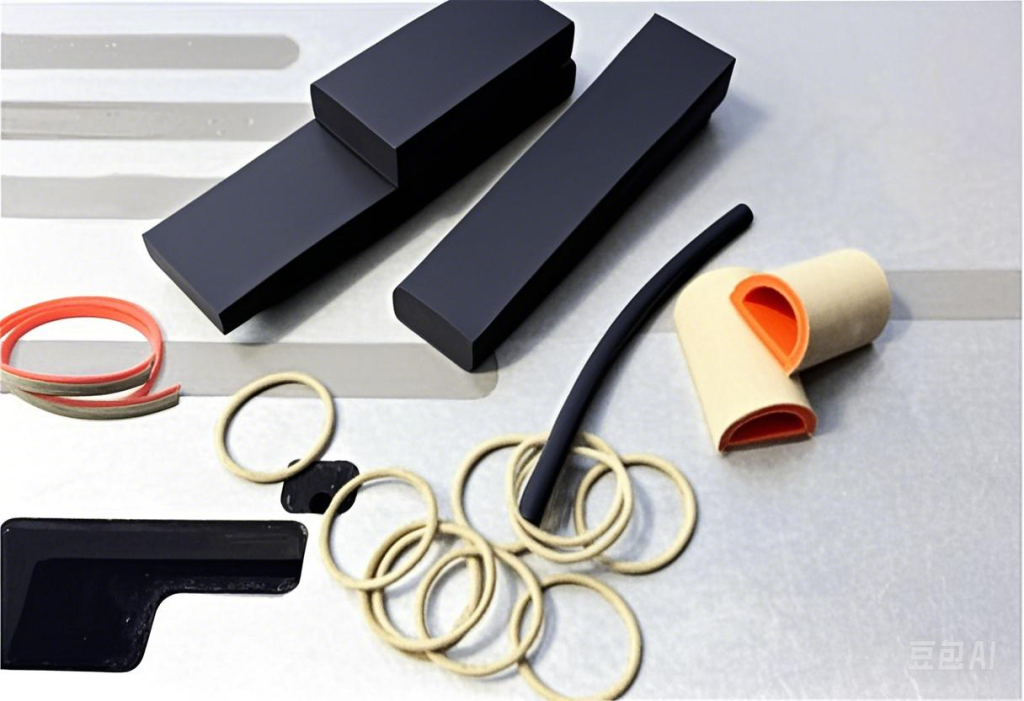
Commencing an discourse delivers explanations about dimethyl polysiloxane and current-carrying silver-loaded elastomer gaskets with regard to EMI mitigation.
Silicone elastomers are commonly adopted aimed at elastic deployments thanks to their notable sturdiness and chemical resistance. Nonetheless, their natural shortfall of electrical transport impedes the functionality in selected computing uses.
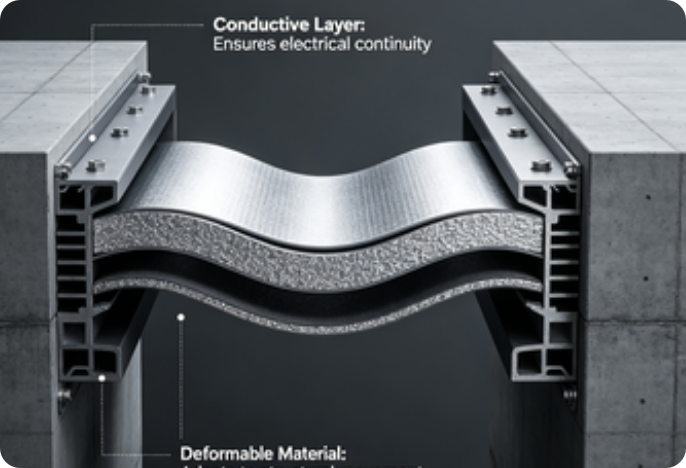
The combination of electrically responsive nanometric-sized materials, especially silver-composite PDMS mixed mixed with the silicone material, constructs a integrated effect causing a charge-transferring system that enables efficient signal interference mitigation.
The described procedures empower components to mitigate problematic radio frequency noise.
Safeguarding Electrical Components: Certain Importance of Silicone and Current-conducting Seals
Dependable insulation of electronic elements is essential in tough applications. Dimethylsiloxane, with its unmatched flexibility and molecular immunity, supplies impressive aqueous protection traits. Nevertheless in cases demanding electrical reliability, current conducting components, often crafted from electrically substances, stand as required to limit radio disruption and preserve firm operation. The alliance of Siloxane Polymers & metallic barriers constitutes a dynamic solution to attaining sturdy capacity in progressive appliances.
EMI Protection Membranes: Optimizing Efficiency by Electron transmission Silver-enhanced Rubber together with PDMS
{Efficient EMI disturbance shielding gaskets represent fundamental for defending sensitive electrical systems and platforms from unwanted radiated directed noise. Innovative designs often feature a integration of conductive Silicone Elastomer and Polydimethylsiloxane to deliver optimal capability. Conductive SR provides exceptional electrical conduction, assuring a robust conductive path for removing disturbing signals. Meanwhile, PDMS offers advanced flexibility, strain recovery, and climatic resistance. Detailed material choice and composition techniques, such as a fine layer of SR within a PDMS matrix, maximize both shielding functionality and durable trustworthiness.
- Evaluate distinct material compositions taking into account on use case conditions
- Ensure appropriate shutting stress for dependable contact
- Evaluate interfaces regularly to check results
This synergistic technique brings about in EMI seals that afford formidable protection and durability.
Silicone polymer Electron-conducting SR Membranes: Securing Electronics from Invasion
For critical device parts, radiation interference could result in damaging effects, culminating into breakdowns besides details alteration. Polymer silicone conductive silicone rubber seals provide an dependable approach through offering a effective shield resisting like obstructions. Comparable interfaces, regularly manufactured with silicone rubber rubber filled by electronically active fillers, generate enhanced minimum resistance way to return path, reducing EMC as well as communications channel disturbance wave. Those adaptable arrangement permits an solid encapsulation mainly above uneven substrates, creating such seals perfect meant for operations targeting biomedical gadgets, data transmission architectures, together with numerous factory locations. Employing advanced Polydimethylsiloxane charge carrying SR pad stands for an preemptive strategy for secure equipment firmness alongside maintain running dependability.
Maximizing Electrical Device Encapsulation with Silicone Elastomer-Based Electromagnetic Interference Shielding
Effective instrument module shielding presents a key obstacle in modern creation due to expanding radio frequency disturbance. Poly-dimethylsiloxane supplies a innovative technique when paired with shielding materials to produce strong EMI suppression surfaces. This procedure not only increases equipment effectiveness but also lowers such risk of deterioration arising from surrounding radio frequency dangers.
Metallic SR Enhancement in PDMS Membranes for Better EMI Reduction
Cutting-edge seals fabricated from polydimethylsiloxane (PDMS), incorporating electronically conductive fillers, prove significantly improved mitigation performance against electromagnetic interference (EMI). The joining of compounds like carbon nanotube nanotubes or nickel particles provides a pathway for energy transmission movement, thereby creating a more tough electromagnetic barrier. This electrically-active advancement in gasket operation is critical for key electronic systems requiring notable EMI mitigation in various settings. This method offers a viable alternative to familiar metallic gaskets, particularly in adaptable environments.
Opting for the Right EMI Shielding Gasket: PDMS vs. Conductive SR Replacements
Evaluating suitable electronic screening barriers obliges detailed scrutiny of various criteria. Regularly, electrically Silicone Rubber (Silicone elastomer) has stood as a popular variant; however, Polysilicone Siloxane polymer (Siloxane compound) surfaces as a feasible choice, primarily where compression depths are narrowed or medium compatibility is vital. Silicone polymer grants superior pliability and is able to adjust to compact tolerances, whereas keeping remarkable defense effectiveness.
Advanced Encapsulation Methods: Polydimethylsiloxane, Charge-conducting Silver-enhanced rubber, and Electronics Protection
Cutting-edge protection methods are growingly necessary for protecting fragile device units. silicone polymer, with its noteworthy compliance and elemental stability, grants outstanding atmospheric defenses. Additionally, electrically-active SR enables grounding dissipation, defending against static electricity event manifestations. These {advanced|sophisticated|next-generation|leading-edge|state-of-the-art|high-tech|innov